Direct answer
The strongest window-treatment directions in 2026 combine warmth and function: refined natural weaves, outside-mounted Roman shades, layered blinds and curtains, warmer hardware finishes, a revival of Venetian slats, expressive trims and discreet motorisation. The goal is no longer a bare window—it is flexible light control with visible texture and personality.
Key takeaways
- Natural woven and bamboo shades are returning in more refined forms.
- Roman shades and layered treatments add softness and better light control.
- Warm neutrals, bronze-toned hardware and tactile materials are replacing cold minimalism.
- Smart controls are most useful when they remain visually quiet and easy to override.
The 2026 direction: warmer, layered and more personal
Window treatments in 2026 are moving away from treating the blind as a purely technical item. Designers are using blinds, shades and curtains as an important layer of the room—adding texture, colour, softness and practical control.
The most useful trend is not a single product. It is the combination of a simple blind near the glass with a decorative outer layer when the room needs stronger privacy, insulation or visual presence.
Refined bamboo and natural woven shades
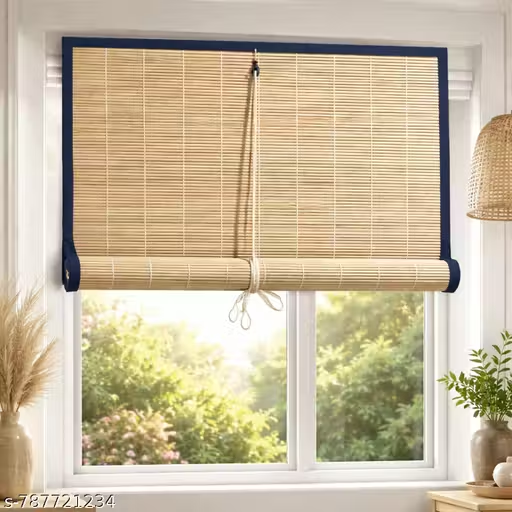
Natural woven shades remain popular, but the look is becoming more refined. Instead of very chunky or rustic material in every room, designers are choosing tighter weaves, tonal borders and cleaner headrails. Bamboo, jute, rattan and grass-like textures suit the broader interest in biophilic interiors and visible craftsmanship.
For Indian homes, bamboo chick blinds also have a practical advantage: they can soften strong daylight while allowing ventilation depending on the weave. Untreated natural bamboo is not fully waterproof, so direct-rain balconies should use a weather-suitable material or protected placement.
Outside-mounted Roman shades
Outside-mounted Roman shades are gaining attention because they visually enlarge a window, hide an unattractive recess and reduce light gaps at the sides. Their folds add softness without requiring full curtains.
In bedrooms, a Roman shade can use a privacy or blackout lining. In living spaces, a lighter lining preserves a relaxed appearance. The trend works best when the mounting height, stack depth and fabric pattern are planned before production.
Layered window treatments
Layering a blind with curtains, sheers or a second shade offers more control than asking one material to do everything. A solar or bamboo shade may manage daytime glare, while curtains provide evening privacy. A blackout roller may handle sleep requirements, while a decorative sheer keeps the room soft during the day.
Functional inner layer
Roller, solar, bamboo, zebra or Venetian blind for daily light control.
Decorative outer layer
Curtain, sheer or structured drapery for softness, privacy and visual scale.
The return of Venetian blinds
Venetian blinds are returning through slim profiles, warmer finishes and more deliberate styling. Their key strength remains directional control: the slats can reduce direct glare while still admitting daylight.
They suit modern offices, kitchens and structured interiors, but require regular dusting. Use them where adjustable slat control is more important than the soft appearance of fabric.
Warm neutrals, bronze details and decorative edges
Cold grey is no longer the automatic safe choice. Warmer neutrals, tobacco, sand, clay, olive, natural brown and muted cream work well with wood, rattan and textured walls. Bronze-toned hardware and darker rails can make the system feel more intentional.
Decorative borders, contrast tape and subtle pattern are also returning. The best version repeats another room detail instead of adding an unrelated accent.
Smart, motorised and cordless control
Motorisation continues to grow for high windows, large glass areas and homes where several blinds follow a daily schedule. The most successful systems remain simple: reliable manual override, accessible charging or power, quiet motors and controls that family members can understand.
Cordless manual products also support a cleaner appearance and reduce loose-cord concerns. Technology should improve daily use rather than becoming the visual focus.
How to use trends without dating your home
- Start with the room’s light, privacy and heat problem.
- Choose a durable operating system before selecting decorative details.
- Use trend-led colour or trim on a replaceable outer layer.
- Choose natural materials according to actual moisture exposure.
- Keep large permanent fittings simpler than cushions, paint and accessories.
The Chick Blinds can help adapt 2026 ideas to custom bamboo, PVC, roller, Roman, zebra and vertical blinds for Delhi NCR homes, offices, cafés and outdoor spaces.
Sources and further reading
How to adapt 2026 trends to Indian homes
A trend should solve a real problem before it becomes a visual choice. Natural woven blinds suit warm interiors and covered balconies, but an exposed monsoon-facing opening may need PVC or another weather-resistant material. Outside-mounted Roman shades can make a window look larger and reduce side light, but the wall above the frame must have enough clear fixing space. Layered curtains and shades look rich, yet they need sufficient room so handles and sliding doors continue to work.
For Delhi NCR apartments, refined bamboo weaves, warm neutrals and discreet hardware can create the 2026 look without making the room feel overdecorated. Use decorative trim selectively. A small border that repeats the sofa, rug or wood tone will age better than a highly specific pattern used across every window.
Sustainability without vague marketing
Natural texture is popular, but “natural” does not automatically mean low-impact or long-lasting. Ask where the material will be used, whether it needs chemical coating, how it can be repaired and how long the mechanism is expected to remain serviceable. A durable product that can be maintained may be a better environmental choice than a fashionable item that fails quickly.
Bamboo is renewable, but the complete product can include thread, backing, paint, metal hardware and packaging. Motorisation adds electronics and batteries. Honest selection means considering the whole system rather than using one green-sounding word.
In 2026, the most convincing sustainable direction is practical longevity: correct measurement, replaceable components, appropriate material for exposure and a style that will not feel unusable next year.
Room-by-room trend guide for 2026
| Room | 2026 direction | Practical note |
|---|---|---|
| Living room | Layered woven or Roman shade with curtains | Balance daytime light with evening privacy. |
| Bedroom | Outside-mounted lined Roman or simple blackout roller | Reduce side gaps and check the stack above the window. |
| Kitchen | Clean-lined roller or Venetian blind | Choose washable material and safe heat clearance. |
| Balcony | Refined bamboo or weather-suitable PVC chick blind | Match the material to rain and wind exposure. |
| Office | Solar screen, vertical or motorised roller | Control glare without removing all useful daylight. |
The strongest 2026 interiors combine current texture with straightforward operation. The Chick Blinds can adapt these ideas to custom measurements and local exposure instead of applying the same trend to every opening.
Frequently asked questions
Are bamboo blinds fashionable in 2026?
Yes. Natural woven and bamboo blinds are being used in more refined, layered interiors, especially with cleaner weaves, tonal borders and warm materials.
What blind colours are popular in 2026?
Warm neutrals, natural browns, clay, olive, sand and soft cream are prominent. The best colour still depends on the room’s light, walls, floor and furniture.
Are Venetian blinds coming back?
Venetian blinds are reappearing in contemporary interiors because their slim slats offer precise light control and a structured look.
Should I follow trends when buying custom blinds?
Use trends for colour, texture and styling, but choose the mechanism, material and mounting method according to long-term function.