Direct answer
For hot climates, the most effective strategy is to stop or reduce solar heat before it spreads through the room. Exterior shade can be very effective; inside, closely fitted cellular shades, reflective or light-coloured roller materials, lined Roman blinds and layered treatments can improve comfort. Bamboo or PVC balcony blinds help by shading direct sun, but the result depends on coverage and exposure.
Key takeaways
- Exterior shading works before sunlight heats the glass and room.
- Close fit and edge coverage strongly influence performance.
- Cellular, lined and layered products add insulating air or material layers.
- Operate blinds according to sun direction rather than leaving every blind closed all day.
Why windows make hot rooms difficult
Windows admit daylight but can also transmit solar heat. The U.S. Department of Energy notes that heat gain and heat loss through windows account for a substantial share of residential heating and cooling energy use. The actual impact in a Delhi NCR home depends on glazing, direction, floor level, external shade, air leakage and how the blinds are operated.
Exterior shade: the first line of defence
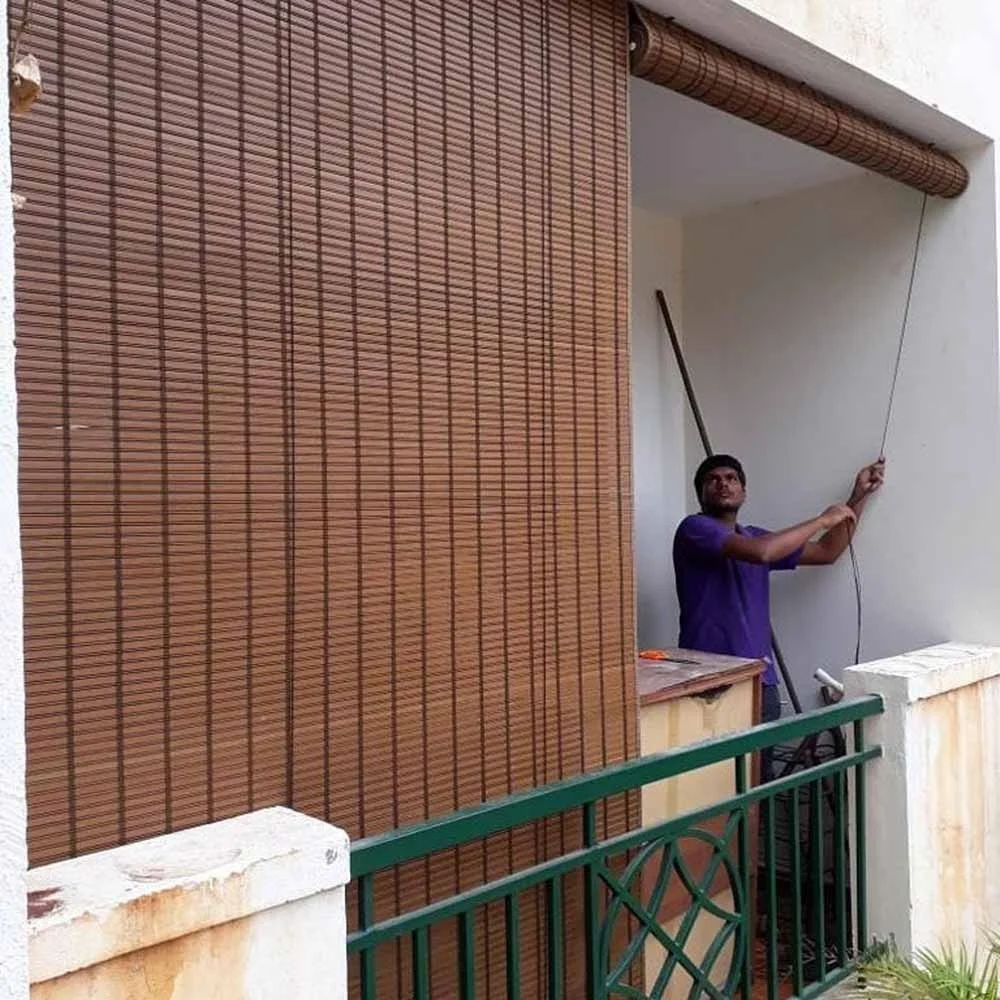
A shade placed outside or at a balcony edge can intercept direct sun before it reaches the glass. Awnings, exterior screens, deep overhangs and suitable outdoor blinds are useful for strong west- or south-facing exposure.
Outdoor installations must also handle wind, rain, drainage and safe fixing. Untreated natural bamboo is not fully waterproof; exposed positions may need PVC or another weather-resistant system.
Best interior blind types for hot rooms
| Blind type | Heat-control strength | Best use | Watch for |
|---|---|---|---|
| Cellular shade | Strong insulating potential | Bedrooms and conditioned rooms | Fabric care and edge gaps |
| Reflective or light roller blind | Good solar reflection depending on material | Simple modern windows | Side light and material specification |
| Blackout-lined Roman blind | Good light and material layering | Bedrooms and living rooms | Fold stack and cleaning |
| Solar screen | Good glare and view management | Offices and living rooms | Night privacy |
| Venetian blind | Adjustable directional control | Workspaces and kitchens | Less insulation than cellular systems |
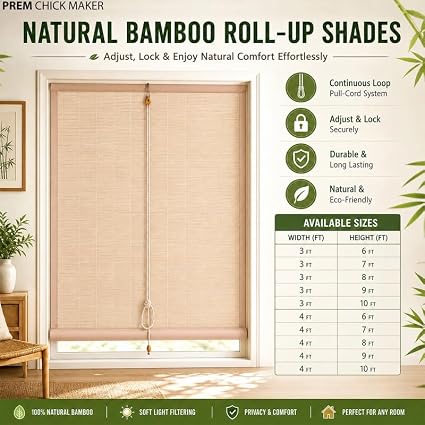
| Bamboo chick blind | Useful direct shade and airflow | Covered balconies and verandas | Weave gaps and moisture |
| PVC outdoor blind | Practical exposed shade option | Balconies and utility areas | Material quality, wind and mounting |
Fit matters as much as material
Heat and glare can enter around the sides of a narrow blind. Outside mounts with adequate overlap, close-to-glass installations and layered curtains can reduce gaps. For large windows, a pelmet or top treatment may reduce the open space above a roller.
No blind changes single glazing into a high-performance insulated wall. Treat window coverings as one part of a wider comfort plan that includes efficient glazing, sealing, roof insulation, ventilation and sensible AC operation.
Operate blinds according to the sun
- Close east-facing blinds before strong morning sun reaches the glass.
- Close west-facing coverings before the hotter afternoon period.
- Open shaded windows for useful daylight when direct solar gain is low.
- At night, ventilate only when outdoor air and security conditions make it sensible.
- Use automation for hard-to-reach windows or predictable daily schedules.
Leaving every blind fully closed all day can increase electric lighting use. A good strategy blocks direct sun while preserving useful indirect daylight.
Choosing for Delhi NCR balconies
For a covered balcony, bamboo chick blinds can provide natural shade and filtered air. For direct rain, PVC or a weather-suitable outdoor blind is often easier to maintain. Very wide openings should be divided into panels so the system remains manageable.
The Chick Blinds assesses orientation, rain exposure, opening size, privacy and desired appearance before recommending a material.
Sources and further reading
Choose by window orientation
East-facing windows receive strong morning sun. West-facing windows often create the most uncomfortable late-afternoon heat because the sun is lower and enters deeply. South-facing exposure varies with building geometry, while north-facing windows usually receive softer indirect light in the northern hemisphere.
Close or lower the relevant blind before direct sun reaches the glass. Waiting until the room is already hot reduces the benefit. Exterior shade at a balcony edge can be especially useful on exposed west-facing openings because it intercepts sunlight before it reaches the inner glazing.
Orientation should also guide colour and openness. A highly open solar screen may preserve the view but allow more heat and glare than a tighter material. Complete darkness may reduce daylight so much that electric lights stay on. The goal is controlled sunlight, not simply the darkest product.
A practical daily operating schedule
- Morning: shade east-facing windows before direct sun becomes intense.
- Midday: use overhead shade and preserve indirect daylight where possible.
- Afternoon: close west-facing blinds before the hottest period.
- Evening: reopen suitable windows or blinds only when outdoor air, security and insects permit.
- Air-conditioned hours: keep doors and windows closed and reduce direct solar gain.
Automation is helpful for predictable sun patterns or hard-to-reach windows, but a simple household routine can also improve comfort. Actual electricity savings vary with glazing, insulation, AC efficiency, occupancy and weather, so avoid any fixed bill-saving promise.
Balcony materials for heat, rain and wind
| Condition | Material direction |
|---|---|
| Covered balcony, mainly sun and dust | Natural bamboo chick blind can provide shade and filtered air. |
| Regular direct rain | Consider PVC or another weather-suitable outdoor material. |
| Strong wind corridor | Use practical panel widths, secure fittings and a safe raised position during storms. |
| Need night privacy too | Add closer weave, backing or an indoor opaque layer. |
| Large sliding door | Divide panels so daily access remains convenient. |
The Chick Blinds assesses sun direction, rain exposure, opening width and privacy before recommending bamboo, PVC, roller or layered treatments for Delhi NCR properties.
Why actual energy savings vary from one home to another
No responsible installer can promise one fixed percentage reduction in an electricity bill from blinds alone. Cooling demand depends on window size, glass type, orientation, floor level, wall and roof insulation, air leakage, number of occupants, appliance heat and the efficiency and thermostat setting of the air conditioner. Two identical blinds can therefore produce different results in neighbouring homes.
A west-facing top-floor room with large single glazing may feel a clear comfort improvement when direct sunlight is shaded early. A small north-facing window may show little change. Exterior shade can be highly useful because it intercepts sun before the glass becomes hot, while an interior blind must manage energy that has already entered the glazing system.
Measure success through several signs: reduced glare, a slower rise in room temperature, less need to lower the AC thermostat and improved comfort near the window. Keep the operating routine consistent for a fair comparison. If possible, record indoor temperature at the same time of day before and after installation over several similar-weather days.
Blinds work best as part of a wider strategy that includes sealing gaps, maintaining the AC, using efficient glazing where practical and preventing hot outdoor air from entering a cooled room.
Frequently asked questions
Which blinds block the most heat?
Exterior shading can reduce sun before it heats the glass. Inside, closely fitted cellular, reflective, lined and layered treatments can improve comfort. Performance depends on the complete window and installation.
Are bamboo blinds good for hot weather?
They can shade direct sunlight and allow filtered airflow depending on the weave. They are especially useful in protected balconies and verandas.
Do blackout blinds reduce heat?
They can reduce transmitted sunlight and add a material layer, but edge gaps, fabric colour, glazing and mounting position affect the result.
Can blinds reduce electricity bills?
Appropriate window coverings and sensible operation can reduce unwanted solar gain or heat loss, but actual savings depend on climate, windows, building construction and AC use.