Direct answer
Start with the least aggressive method: remove loose dust using a microfibre cloth, soft brush or low-suction vacuum. Spot-test any damp method, avoid soaking mechanisms and natural bamboo, and always follow the product’s care label. Different blind materials should not be cleaned with the same technique.
Key takeaways
- Dry dust removal should be the first step for most blinds.
- Never soak headrails, motors, cords or natural bamboo.
- Spot-test water and cleaner in a hidden area.
- Repair loose hardware before cleaning a large blind.
Before cleaning any blind
- Read the care label or manufacturer instructions.
- Photograph cords and removable parts before disassembly.
- Check for loose brackets, broken slats or frayed cords.
- Vacuum nearby dust so it does not settle back on the blind.
- Test any damp method on a hidden corner.
- Keep motors, batteries, headrails and control systems dry.
How to clean bamboo and natural woven blinds
Lower the blind fully. Use a soft brush, feather duster or vacuum with a clean brush attachment on low suction. Work from top to bottom and support the screen so it is not pulled out of shape.
For a small mark, use a barely damp cloth only when the finish allows it, then dry the area promptly. Do not soak untreated bamboo, leave it rolled while wet or scrub across delicate binding threads.
For mould or a strong odour, first identify the moisture source. Cleaning without improving ventilation or rain protection allows the problem to return.
How to clean roller blinds
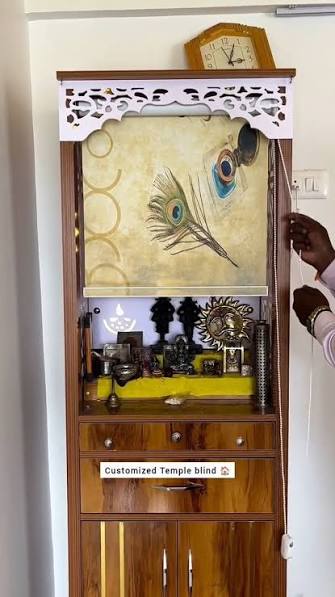
Lower the blind and remove dust with a microfibre cloth or low-suction vacuum. Spot-clean compatible fabric with a lightly damp cloth and mild solution, blotting rather than rubbing.
Avoid saturating the lower bar, tube or side edges. Let the blind dry fully while extended so damp fabric is not rolled onto itself. Some specialist fabrics require professional cleaning.
How to clean Roman blinds
Vacuum folds gently using an upholstery or soft brush attachment. Support the fabric and work along each fold. Spot-clean according to the fabric label.
Do not remove the blind for washing unless the construction and care instructions specifically permit it. Linings, rods, tapes and face fabric can shrink differently.
How to clean Venetian blinds
Close the slats and wipe from the centre toward the supporting cords. Reverse the tilt and repeat. Use a damp microfibre cloth for washable aluminium or suitable faux-wood finishes, followed by a dry cloth.
Do not bend thin aluminium slats. Real-wood blinds should not be soaked; use a product approved for the finish only when necessary.
How to clean vertical blinds
Close the louvres, vacuum gently from top to bottom and repeat on the reverse. Support each strip to avoid pulling it from the carrier. For washable PVC louvres, use a mild damp wipe and dry them.
Fabric verticals may have weights and chains at the bottom. Photograph the arrangement before removal and check the care label before washing.
How to clean zebra or day-night blinds
Use low-suction vacuuming or a dry microfibre cloth while the bands are aligned. Avoid pressing the two fabric layers together when damp, and do not scrub the delicate sheer sections.
Spot-clean with very little moisture when permitted, then allow the system to dry completely while lowered.
How to clean PVC and outdoor blinds
Remove loose dust first. Wipe suitable PVC with clean water and a mild solution using a soft cloth. Rinse away residue and dry the surface. Avoid abrasive pads that create scratches where dirt later collects.
Outdoor hardware should be checked for looseness, corrosion, trapped debris and water drainage. Never clean a blind in strong wind while it is unsecured.
Suggested maintenance schedule
| Task | Typical frequency |
|---|---|
| Light dusting | Weekly to monthly, depending on dust exposure |
| Vacuum fabric and folds | Monthly or as needed |
| Spot-clean marks | Promptly after checking care instructions |
| Check brackets and operation | Every few months |
| Inspect outdoor cords and fittings | Before and after harsh weather periods |
| Professional deep clean | When the material, height or staining makes home cleaning unsafe |
The Chick Blinds can advise whether a bamboo, PVC, roller, Roman, zebra or vertical blind should be cleaned, repaired or replaced after reviewing its condition.
Treat the stain, not only the blind type
Dry dust should be removed before any damp cleaning, otherwise it can become a grey smear. Grease near a kitchen needs a material-compatible mild degreaser, while water marks require attention to the leak or condensation source. Mould needs moisture control as well as cleaning. Ink, paint and adhesive can require specialist advice because aggressive solvents may remove the blind’s finish.
Blot a spot from the edge toward the centre. Rubbing can spread it, polish a matte surface or distort fabric. Use separate clean cloths for washing and drying. Never assume that a method suitable for PVC is safe for natural bamboo, printed fabric or real wood.
When to remove a blind for deep cleaning
Removal can provide better access, but it introduces the risk of dropping the blind, losing parts or reinstalling it out of level. Take a photograph of brackets, cord routes, weights and chains first. Use two people for wide or heavy blinds.
Do not remove motorised blinds, complex Roman systems or large outdoor panels unless you understand the fixing and can support the weight. Professional cleaning or repair may be safer when the blind is high, valuable, heavily stained or mechanically damaged.
After any damp clean, allow the blind to dry fully in its extended position. Rolling damp fabric or bamboo traps moisture and can create odour, staining or deformation.
Clean, repair or replace?
| Condition | Likely action |
|---|---|
| Loose surface dust | Dry dusting or low-suction vacuuming. |
| Small compatible stain | Careful spot-clean after testing. |
| Frayed cord but sound material | Ask whether the control system can be repaired. |
| Bent or broken multiple slats | Compare replacement parts with a new blind. |
| Recurring mould | Fix moisture source and assess material damage. |
| Cracked outdoor PVC or badly rotten bamboo | Replacement may be safer and more economical. |
Keep a simple maintenance note with the installation date, approved cleaning method and any repair. The Chick Blinds can review photographs to advise whether a bamboo, PVC, roller, Roman, zebra or vertical blind is suitable for cleaning, repair or replacement.
Build a safe blind-cleaning kit
A practical kit needs only a few items: clean microfibre cloths, a soft paintbrush, a vacuum with an upholstery or brush attachment, a small bowl, mild product-compatible cleaner and a dry towel to protect the floor. Keep separate cloths for greasy kitchen areas and delicate fabric.
A step stool should be stable and tall enough to prevent overreaching. Do not stand on chairs or window ledges. Ask another person to support a wide blind if it must be removed. Disconnect or isolate power according to the manufacturer’s instructions before working near a motor or electrical control.
Label any approved cleaner and never pour it directly onto the blind. Apply a small amount to the cloth. This prevents liquid running into the headrail, motor, pulley or glued seams. Use low suction on woven material and support the surface so the vacuum does not stretch it.
After cleaning, inspect operation slowly. Stop if a cord catches, a roller tracks sideways or a bracket moves. Cleaning is a good opportunity to identify wear before it becomes a complete mechanism failure.
Frequently asked questions
Can I wash blinds in a bathtub?
Only when the manufacturer explicitly permits it. Soaking can damage fabric coatings, wood, bamboo, headrails, cords and glued components.
Can bamboo blinds be cleaned with water?
Use dry dust removal first. Untreated natural bamboo should not be soaked. A barely damp spot-clean may be possible depending on the finish, followed by prompt drying.
How do I remove dust without taking blinds down?
Lower or close the blind and use a microfibre cloth, soft brush or low-suction vacuum attachment while supporting the material.
How often should blinds be cleaned?
Light dusting may be weekly to monthly depending on pollution, cooking and outdoor exposure. Clean stains promptly using the approved method.